
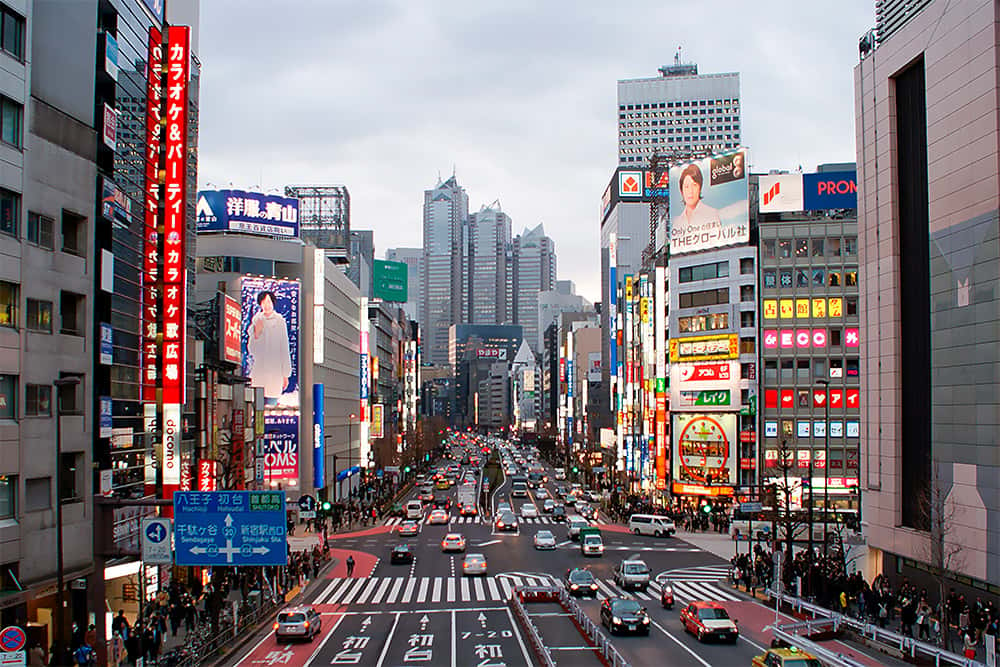
 Japan
Japan
Japan Travel Guide for Indian Workers: 16 Essential Rules You Must Know
"Discover 16 essential etiquette and travel tips every Indian professional must know before moving to Japan for work. Learn how to navigate public transport, understand strict cultural norms, and avoid common daily mistakes. Get practical advice on accommodation, packing, handling cash, and interacting politely with your new Japanese colleagues."
Japan Travel Guide: Essential Rules for Indian Workers Going Abroad
Japan is known around the world as a place with strict rules, deep traditions, and a high level of discipline. For first-time visitors and Indian workers planning to relocate for overseas jobs, this reputation can sometimes feel very intimidating. However, seasoned travelers and foreign workers will tell you that the local traditions are not meant to make you uncomfortable. The people of Japan are extremely polite, helpful, and understanding when foreign travelers make small mistakes.
If you are looking for jobs abroad through Videsh Chalo, managing your expectations and understanding the local culture is the key to success. Knowing the unwritten rules of Japanese society will help you settle into your new job and life smoothly. Whether you are going for a corporate job, IT sector work, or technical roles, this comprehensive guide will help you navigate your journey to Japan with confidence and ease.
1. Book Your Accommodation Well in Advance
When you first arrive in Japan for work, you will need a place to stay while you look for permanent housing. In an emergency, you might find a room at a basic business hotel without a booking, but it is never wise to take that risk. The best accommodations and budget-friendly hotels get fully booked weeks or even months in advance. Therefore, you must plan your stay before you board your flight.
You should be extra careful during peak travel periods. These include the first week of January, the cherry blossom season from late March to April, the Golden Week holiday from April 29 to May 5, and the entire month of August. Also, keep in mind that smaller traditional inns have fixed check-in times. If you arrive late, the staff might not be there to help you. Always inform the hotel about your exact arrival time.
2. Pack Light and Pack Smart
Space is a luxury in Japan. Hotel rooms, especially in big cities like Tokyo and Osaka, are quite small compared to what we are used to in India. There is very little space to keep large, heavy suitcases. Carrying huge bags can also become a big problem on public transport. Some high-speed bullet trains require you to reserve special space for oversized luggage in advance. If you forget to do this, you will have to pay a heavy fine on the train.
When packing your clothes, remember that while religious sites do not have strict dress codes, you should still dress modestly. High-end restaurants and clubs might require men to avoid sleeveless shirts and sandals. Additionally, you will often find yourself sitting on the floor at traditional restaurants or your colleagues' homes. Make sure you pack comfortable trousers and avoid very tight clothing that makes floor seating difficult.
3. Bring Shoes You Can Easily Slip On and Off
Comfortable walking shoes are the most important item for your Japan trip. Unlike in India where we might take local transport from door to door, in Japan, you will walk a lot. You will be walking through massive train stations, long streets, and office buildings.
More importantly, you will have to take your shoes off very frequently. This happens at temples, traditional inns, dressing rooms in clothing stores, and many restaurants. You will thank yourself if you pack shoes without complicated laces. Because you will be stepping onto clean floors or wearing shared slippers, it is highly recommended to wear clean, comfortable socks at all times. Having holes in your socks can be very embarrassing in a professional setting.
4. Buy a Data-Heavy SIM Card or Use an eSIM
The street address system in Japan is very complicated. Even local citizens find it difficult to locate buildings without a map. Therefore, having a smartphone with a navigation app like Google Maps is absolutely necessary for your daily commute to work.
These navigation apps consume a lot of mobile data, so you need a good internet connection as soon as you land. Getting connected is very simple. You can buy a prepaid SIM card at the airport or at electronic shops in the city. If your smartphone supports it, getting an eSIM before you travel is the most convenient option. It allows you to have internet access the moment your plane lands in Japan.
5. Come Prepared for the Japanese Weather
The weather in Japan changes drastically with the seasons. Summers are extremely hot and humid, very similar to the peak summer in Indian coastal cities. There is a real risk of heatstroke, so you must carry water with you during the warm months. A folding umbrella is very useful to block the sun and to protect you from sudden rain.
Late June starts the rainy season, which can last for weeks. Following this is the typhoon season from September to October, which brings heavy rains and strong winds. These storms can disrupt train services and delay your travel to work. Winters can be very cold, and northern areas receive heavy snowfall. Luckily, you can buy cheap umbrellas, pocket warmers, and raincoats at any local convenience store.
6. Always Carry Enough Cash
Japan is known as a high-tech country, but it is surprisingly still a cash-based society in many ways. While big shopping malls, modern supermarkets, and train stations accept credit cards and digital payments, many smaller places do not.
If you visit rural areas, eat at older family-run restaurants, or shop at small local markets, you will need physical Japanese Yen. When you are paying for something, remember a small but important cultural rule: do not hand the cash directly to the cashier. Instead, place your money in the small plastic tray provided at the billing counter. Your change will be returned to you in the same tray.
7. Do Not Worry About Tipping
In many countries, tipping for good service is a standard practice. However, Japan has absolutely no tradition of tipping. Whether you are at a restaurant, taking a taxi, or staying at a hotel, you do not need to leave extra money. In fact, if you try to leave a tip, the staff will likely become confused and might even run after you down the street to return your forgotten money.
Instead of tipping, some bars and restaurants automatically add a small service fee to your bill. Some traditional pubs will serve you a small appetizer as soon as you sit down. This is not free; a small cover charge is added to your bill for it. Just pay the exact amount written on your final bill and say thank you.
8. Eating in Public is Not Acceptable
In India, eating street food while walking is a normal part of life. In Japan, however, eating while walking on the street or traveling on local public transport is considered very bad manners. It is seen as messy and disrespectful to others around you.
There are a few exceptions to this rule. You are allowed to eat boxed meals on long-distance high-speed trains. You can also eat at designated seating areas near food stalls during festivals. Taking a quick sip of water from a bottle is completely fine, but try to avoid munching on snacks while walking down a busy footpath.
9. Manage Your Trash Carefully
One of the first things Indian workers notice when they arrive in Japan is the extreme cleanliness of the streets, combined with a total lack of public dustbins. This is because Japanese culture places a strong emphasis on personal responsibility.
People are expected to take their garbage back to their homes or offices to dispose of it properly. You must sort your trash into burnable, non-burnable, and recyclable categories. When you buy a drink or a snack outside, expect to carry the empty bottle or wrapper in your bag for the rest of the day until you find a proper place to throw it away.
10. Learn the Art of Queueing
Discipline is the foundation of Japanese society, and nowhere is this more visible than in their queues. People form neat, orderly lines everywhere. You will see lines at supermarket counters, bus stops, taxi stands, and train platforms. You must never jump the line or push ahead of others, as this will highly damage your professional reputation.
When waiting for a train, look for the markings on the floor that show exactly where the train doors will open. Stand inside those lines and wait for the passengers inside to exit completely before you step in.
11. Escalator Etiquette: Stand on the Correct Side
Even when riding an escalator, there are specific rules to follow so that people in a hurry can walk past you. The rule changes depending on which city you are in. If you are in Tokyo or the eastern parts of Japan, you must stand on the left side and leave the right side open for walking.
If you are in Osaka or the western regions, the rule flips, and you must stand on the right side. The easiest way to avoid a mistake is to simply observe the people in front of you and follow their lead. Recently, some train stations have asked people to stop walking on escalators entirely for safety, but standing to one side is still the common practice.
12. Keep Track of the Last Train Timings
Public transport in Japanese cities is the best in the world, but it does not run 24 hours a day. Most city subways and local trains stop running between midnight and 1:00 AM. After the trains stop, your only option to get home is to take a taxi.
Taxis in Japan are incredibly expensive, and a long ride home could cost you a huge part of your daily salary. If you are out late for a company dinner or networking event, always set an alarm on your phone to remind you to catch the last train.
13. Survive the Morning Commute
If your job is located in a major city like Tokyo, you need to prepare yourself for the morning rush hour. Between 7:30 AM and 9:00 AM on weekdays, millions of corporate workers travel to their offices. The trains become unbelievably crowded. It is very similar to the local trains in Mumbai, but with one major difference: it is completely silent.
During this time, people do not talk loudly, and mobile phones must be kept on silent mode. Shinjuku Station in Tokyo is the busiest station in the world, handling millions of passengers every single day. Always leave early for work to ensure you do not get delayed by the massive crowds.
14. Get Used to High-Tech Toilets
Japanese toilets are famous worldwide for their advanced technology. These electronic toilets have control panels with many buttons that allow you to wash, dry, and even heat the toilet seat. Do not be intimidated by the buttons; most of them have clear pictures showing what they do.
You might also find a button that plays the sound of running water to hide any embarrassing noises. Another very important rule is regarding bathroom slippers. Many homes, clinics, and traditional restaurants have special slippers kept right inside the bathroom door. You must take off your regular slippers, wear the bathroom slippers while inside, and remember to change back when you leave the bathroom.
15. Know What to Do in an Earthquake
Japan experiences many earthquakes every year. Most of them are very minor and you will barely feel them. The country has strict building codes, so modern offices and apartments are extremely safe. If an earthquake happens while you are working, stay calm. Look at your local Japanese colleagues and follow their instructions.
If the shaking is strong, get under a sturdy desk and protect your head. If you are living near the ocean and a strong earthquake occurs, listen carefully to local alarms. If a tsunami warning is issued, move to higher ground immediately without waiting.
16. Learn Basic Japanese Words
While English is spoken in major corporate offices and tourist areas, learning some basic Japanese will earn you immense respect from your local colleagues and neighbors. It shows that you are making an effort to respect their culture.
Here are some very useful words for your daily life: Use onegai shimasu for please. Say sumimasen to say excuse me or sorry. To express deep gratitude, use the polite phrase arigato gozaimasu instead of a simple thanks. When you want to find the restroom, ask for toire. Knowing these simple words will make your work life in Japan much easier and help you build strong professional friendships.
Duniya Ghumne Ka Sapna Sach Karein! 🌍
Book your dream international holiday with Videsh Chalo's premium travel partners.
EXPLORE PACKAGES